
What Makes Neurographica So Powerful?
Written By: JJ Madsen
Neurographica is often described as a drawing method, but people who practice it quickly realize it’s much more than that. It sits at the intersection of art, psychology, and mindfulness, using simple lines and shapes to create surprisingly deep emotional and mental shifts. What makes neurographica so powerful isn’t artistic skill or complex theory—it’s how directly it engages the brain, emotions, and body all at once.
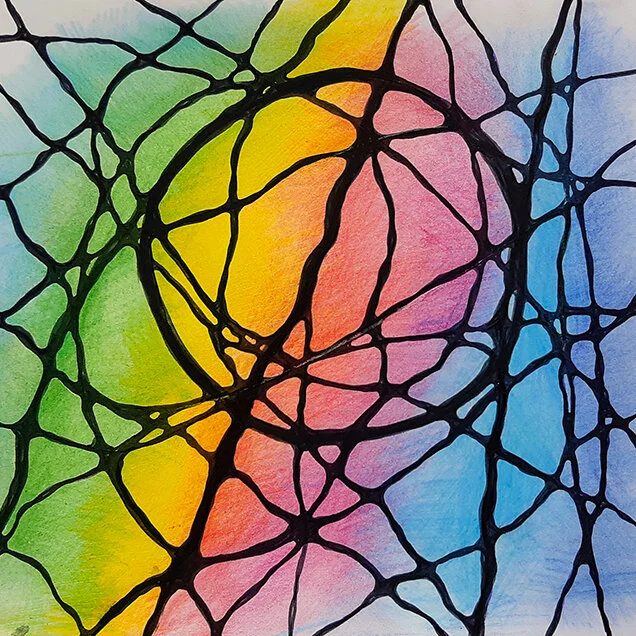
At its core, neurographica works with the idea of neural pathways. Our brains rely on well-worn patterns of thinking and reacting, especially when it comes to stress, fear, or self-doubt. When you draw neurographic lines—organic, flowing lines that intentionally avoid symmetry—you’re symbolically stepping out of rigid patterns. The act of drawing these lines while focusing on a thought or problem creates a physical representation of your internal state. This alone can be powerful: it takes something abstract and overwhelming and places it on paper where it feels more manageable.
Another key element is the rounding of intersections. In neurographica, sharp corners where lines cross are softened into curves. Psychologically, this matters more than it seems. Sharp angles tend to signal tension and threat to the brain, while curves feel safer and more natural. By repeatedly rounding intersections, you’re training your mind to associate conflict or stress with resolution and calm. Over time, this repetitive action can reduce anxiety and help reframe how you approach challenges off the page.
Neurographica is also powerful because it combines focus and freedom. Unlike free doodling, it has a structure that keeps your mind anchored. Unlike strict geometric drawing, it allows for intuition and emotional expression. This balance helps quiet mental noise without forcing the mind into silence. Many people experience a flow state while drawing, where time fades and attention narrows. In that state, the nervous system can relax, making it easier to process emotions without feeling overwhelmed.
Color plays an important role as well. Choosing and filling in colors isn’t about aesthetics; it’s about resonance. When you intuitively select colors, you’re tapping into emotional associations that bypass logical analysis. This can surface feelings you didn’t realize were present and provide a safe way to explore them. The final image often feels meaningful, even if you can’t fully explain why—and that sense of meaning is deeply motivating.
Finally, neurographica is powerful because it gives people agency. You don’t need to be an artist, a therapist, or an expert. The method is accessible, repeatable, and personal. Each drawing becomes evidence that you can engage with your inner world and influence how you respond to it. That sense of control—calmly shaping lines, intersections, and colors—can translate into greater confidence and emotional resilience in everyday life.
In a world that often feels chaotic and overstimulating, neurographica offers something rare: a simple practice that speaks directly to the brain, the emotions, and the self, all through the movement of a pen.